Low-Incidence Disabilities SeriesThis targeted professional learning series equips special education leaders with practical strategies to support students with low incidence disabilities. Explore specialized instructional practices, inclusive programming, assistive technology, and compliance considerations to strengthen systems of support and improve student outcomes. Ideal for district and school teams committed to meaningful access, inclusion, and student-centered planning. This FREE 4-part virtual series is offered from 12:00-1:00 PM (Central Time) on the following dates:
*This series WILL be recorded. Sessions provided by: Dr. Kristi Probst, Dr. Christy Borders, and Dr. Adam Graves 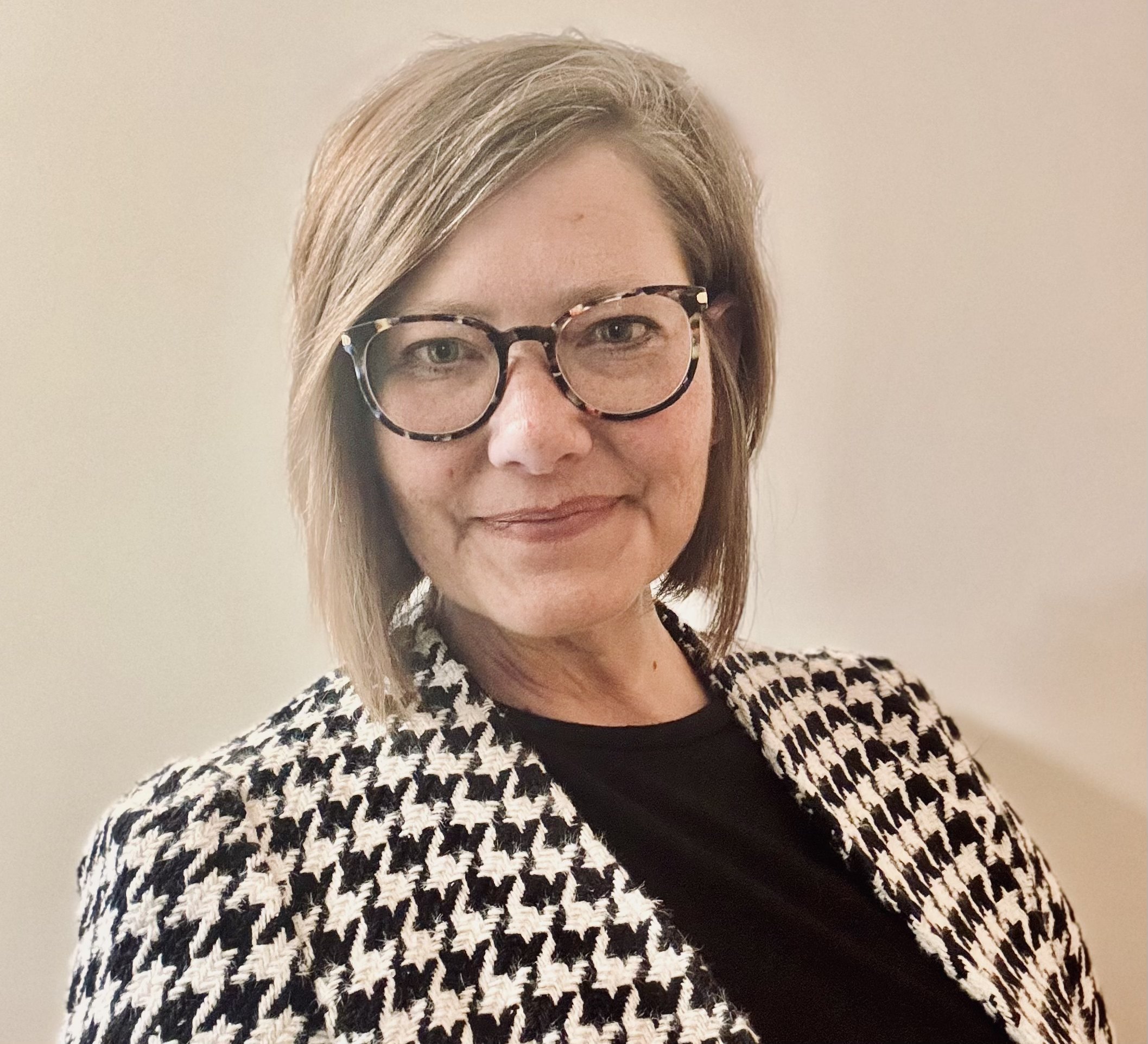 Dr. Kristi Probst (pictured) is the Initiative Lead for Interveners and Qualified Personnel for the National Center on Deafblindness. She has an Ed.D. in special education. As a doctoral student at Illinois State University, she was a National Leadership Consortium in Sensory Disabilities Scholar, focusing her studies on deafblindness. Kristi holds certifications in Special Education for Deaf & Hard of Hearing, Low Vision & Blindness, Learning Behavior Specialist, Elementary Education, and Early Childhood Education. Kristi has worked as a teacher for the Deaf, an itinerant teacher for the Visually Impaired, Developmental Therapist, University Supervisor for teacher candidates, Sign Language Interpreter, and teacher for students with Learning Disabilities. Kristi has served as a peer reviewer for the Journal of Visual Impairment & Blindness and Teaching Exceptional Children, as well as a proposal reviewer for AERBVI and CEC international conferences. She actively contributes to the field through her involvement on various committees within a variety of professional organizations, including both AERBVI and CEC. Dr. Kristi Probst (pictured) is the Initiative Lead for Interveners and Qualified Personnel for the National Center on Deafblindness. She has an Ed.D. in special education. As a doctoral student at Illinois State University, she was a National Leadership Consortium in Sensory Disabilities Scholar, focusing her studies on deafblindness. Kristi holds certifications in Special Education for Deaf & Hard of Hearing, Low Vision & Blindness, Learning Behavior Specialist, Elementary Education, and Early Childhood Education. Kristi has worked as a teacher for the Deaf, an itinerant teacher for the Visually Impaired, Developmental Therapist, University Supervisor for teacher candidates, Sign Language Interpreter, and teacher for students with Learning Disabilities. Kristi has served as a peer reviewer for the Journal of Visual Impairment & Blindness and Teaching Exceptional Children, as well as a proposal reviewer for AERBVI and CEC international conferences. She actively contributes to the field through her involvement on various committees within a variety of professional organizations, including both AERBVI and CEC. 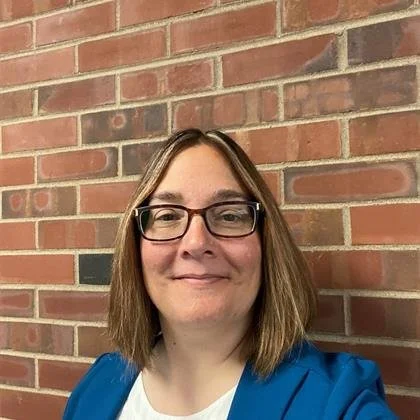 Dr. Christy Borders (pictured) is a professor in special education-deaf/hard of hearing at Illinois State University and a leader in addressing the needs of students who are deaf/hard of hearing (D/HH) with additional disabilities, particularly autism spectrum disorders (ASD). She has spent considerable time identifying gaps in literature and potential interventions for use with this population of students. Christy’s research stems from personal classroom and clinical experiences that involved this particular population. Christy has extensive academic and clinical experience and training in serving students who D/HH and those with ASD. Her undergraduate and graduate degrees both focused on education of D/HH students. In addition, Christy has over 30 years of clinical, classroom, and administrative experience working with individuals with disabilities. She furthered her academic and research skills and experiences through doctoral studies in the area of special education in order to attain additional strategies for D/HH students who have comorbid disabilities. Dr. Christy Borders (pictured) is a professor in special education-deaf/hard of hearing at Illinois State University and a leader in addressing the needs of students who are deaf/hard of hearing (D/HH) with additional disabilities, particularly autism spectrum disorders (ASD). She has spent considerable time identifying gaps in literature and potential interventions for use with this population of students. Christy’s research stems from personal classroom and clinical experiences that involved this particular population. Christy has extensive academic and clinical experience and training in serving students who D/HH and those with ASD. Her undergraduate and graduate degrees both focused on education of D/HH students. In addition, Christy has over 30 years of clinical, classroom, and administrative experience working with individuals with disabilities. She furthered her academic and research skills and experiences through doctoral studies in the area of special education in order to attain additional strategies for D/HH students who have comorbid disabilities.
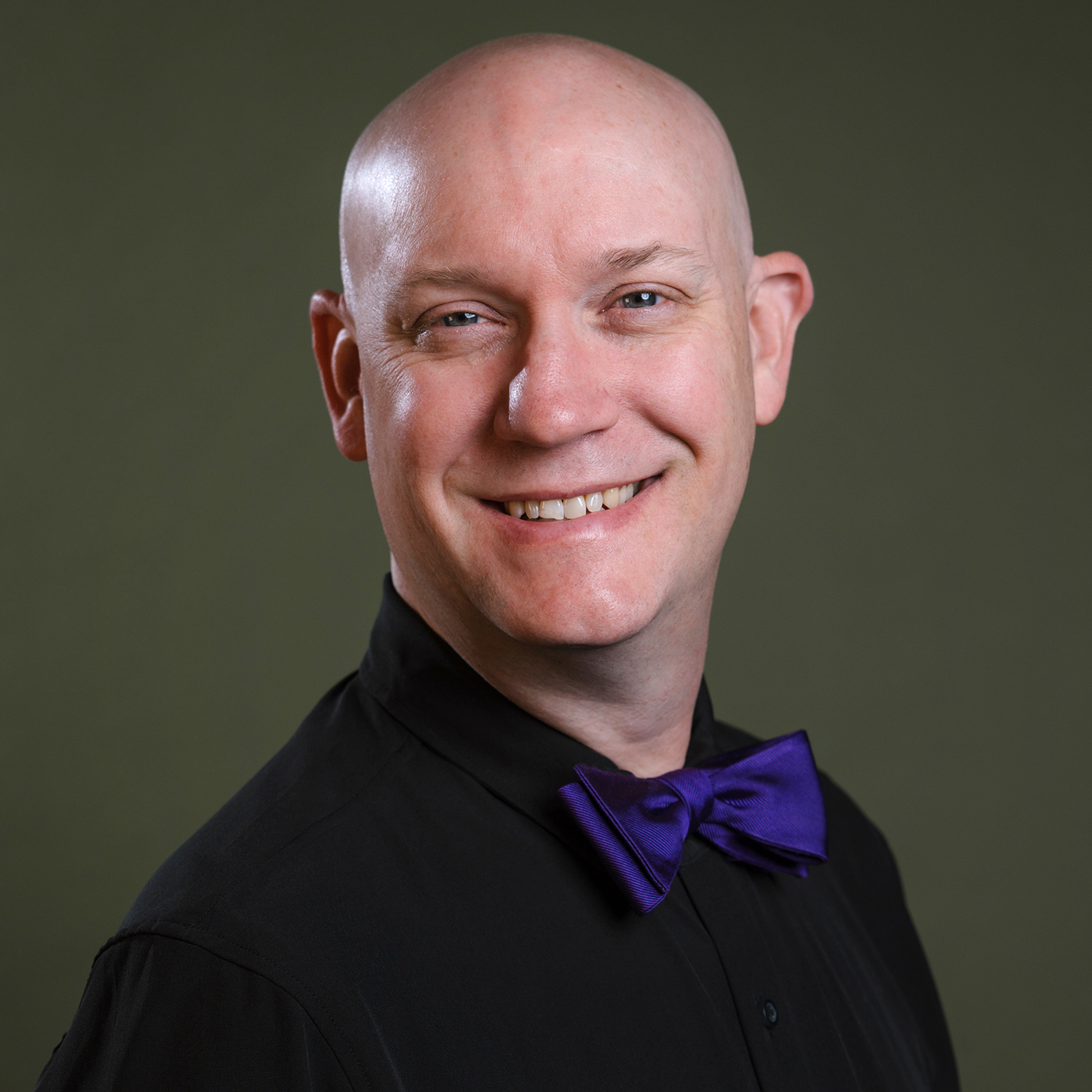 Dr. Graves (pictured) has worked with students who are blind, visually impaired and deafblind since 2003. Currently, he is serving as assistant professor and coordinator for the Program in Visual Impairments at San Francisco State University and director of California DeafBlind Services. Over the years he has held multiple positions in the field of visual impairment including educational assistant, special education teacher, teacher of students with visual impairments and educational consultant for the Texas DeafBlind Project. During his time at the Texas DeafBlind Project Dr. Graves developed assessment tools such as the Informal Functional Hearing Evaluation for students who are DeafBlind with Multiple Disabilities (IFHE) and workshops such as the Introduction to the Intervener Team Model training and the Teacher of DeafBlind Pilot project. His research explores the social barriers to educational access for students who are congenitally deafblind through the stories of congenitally deafblind youth and their family members. Dr. Graves (pictured) has worked with students who are blind, visually impaired and deafblind since 2003. Currently, he is serving as assistant professor and coordinator for the Program in Visual Impairments at San Francisco State University and director of California DeafBlind Services. Over the years he has held multiple positions in the field of visual impairment including educational assistant, special education teacher, teacher of students with visual impairments and educational consultant for the Texas DeafBlind Project. During his time at the Texas DeafBlind Project Dr. Graves developed assessment tools such as the Informal Functional Hearing Evaluation for students who are DeafBlind with Multiple Disabilities (IFHE) and workshops such as the Introduction to the Intervener Team Model training and the Teacher of DeafBlind Pilot project. His research explores the social barriers to educational access for students who are congenitally deafblind through the stories of congenitally deafblind youth and their family members. |
Council of Administrators of Special Education (CASE)
1546 E. Bradford Parkway, Suite L100, Springfield, MO 65804© Copyright 2026. All rights reserved.
Privacy Policy